
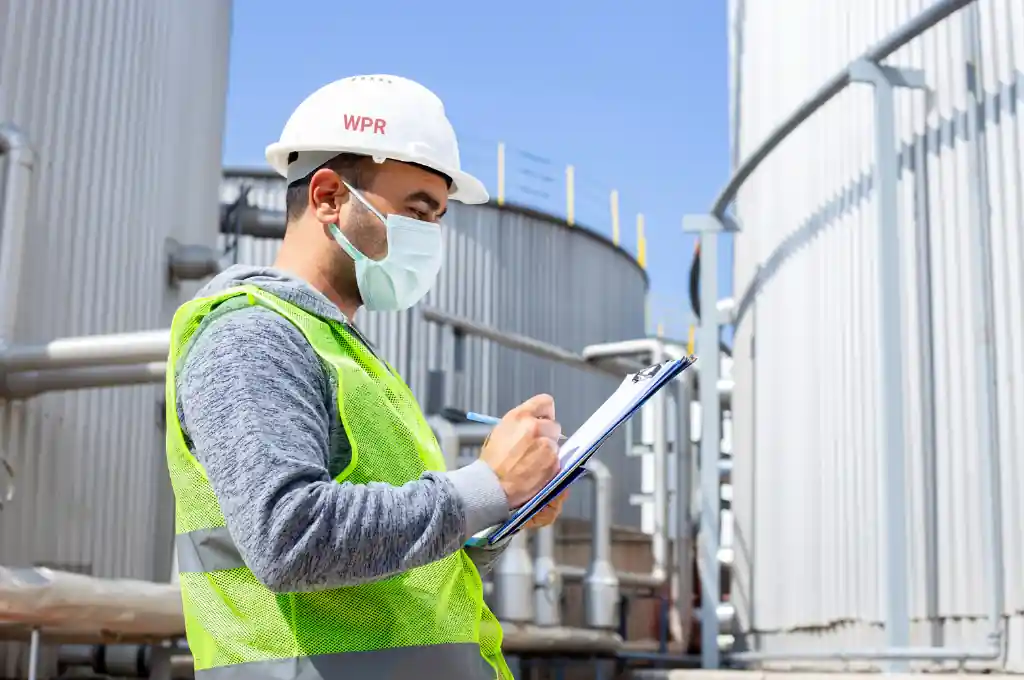
The role of a Work Permit Receiver (WPR) is one of the most critical positions in industries like oil and gas, where safety and compliance are paramount. At Saudi Aramco, one of the largest and most prestigious energy companies in the world, the WPR plays a vital role in ensuring that all work activities are carried out safely, efficiently, and in accordance with established safety protocols. This guide provides an in-depth look at the responsibilities, qualifications, approval process, and other essential details about becoming a WPR at Saudi Aramco.
What is a Work Permit Receiver (WPR)?
A Work Permit Receiver (WPR) is a professional responsible for managing work permits for tasks that involve potential hazards. The primary role of a WPR is to ensure that all activities requiring permits—such as hot work, confined space entry, electrical work, or working at heights—are performed safely and in compliance with safety regulations. The WPR acts as a liaison between workers, supervisors, and safety officers to ensure that all risks are identified and mitigated before work begins.
At Saudi Aramco, the WPR is an integral part of the company’s safety management system. Their role ensures that no unauthorized or unsafe work takes place on-site. They are trained professionals with a deep understanding of safety standards, risk assessment procedures, and emergency response protocols.
Key Responsibilities of a Work Permit Receiver
The responsibilities of a Work Permit Receiver are extensive and crucial for maintaining workplace safety. Below is a detailed breakdown of their duties:
1. Permit Authorization and Verification
The WPR is responsible for reviewing all work permits before they are issued. This includes verifying that all necessary precautions have been taken and that the permit aligns with the type of work being performed. For example:
- Ensuring that hot work permits include fire watch arrangements.
- Confirming that confined space permits include atmospheric testing results.
2. Risk Assessment
Before any task begins, the WPR conducts a thorough risk assessment to identify potential hazards associated with the job. This involves:
- Inspecting the work area for risks such as flammable materials, unstable structures, or electrical hazards.
- Evaluating whether workers have received adequate training for the task.
3. Implementation of Safety Protocols
The WPR ensures that all workers adhere to safety protocols outlined in the permit. This includes:
- Verifying that workers wear appropriate personal protective equipment (PPE), such as helmets, gloves, or harnesses.
- Ensuring proper use of tools and equipment as per safety guidelines.
4. Site Inspections
Once work begins, the WPR conducts regular site inspections to ensure compliance with permit conditions. They monitor activities to ensure:
- No deviations from approved procedures.
- All safety measures remain in place throughout the duration of the task.
5. Emergency Response Coordination
In case of an emergency, such as an accident or equipment failure, the WPR plays a key role in coordinating response efforts. This includes:
- Alerting emergency services.
- Assisting in evacuation procedures.
- Documenting incidents for future analysis.
6. Documentation
The WPR maintains detailed records of all permits issued, including information about tasks performed, safety measures implemented, and any incidents that occurred during work activities. These records are essential for audits and continuous improvement initiatives.
Qualifications and Skills Required
To become a Work Permit Receiver at Saudi Aramco or similar organizations, candidates must meet specific qualifications and possess certain skills:
Educational Requirements
- A high school diploma or equivalent is typically required.
- Additional certifications in occupational health and safety (such as NEBOSH or OSHA) are highly desirable.
Experience
- Candidates should have prior experience working in industrial environments such as oil refineries, chemical plants, or construction sites.
- Familiarity with hazardous work environments is essential.
Technical Knowledge
- Understanding different types of permits (hot work permits, cold work permits, confined space permits).
- Knowledge of safety regulations such as Lock Out/Tag Out (LOTO) procedures.
- Ability to identify workplace hazards and implement control measures.
Soft Skills
- Strong communication skills to effectively coordinate between workers and supervisors.
- Attention to detail to ensure no aspect of workplace safety is overlooked.
- Problem-solving skills to address unexpected challenges during work activities.
How to Become an Aramco-Approved Work Permit Receiver
Becoming an approved WPR at Saudi Aramco involves several steps:
Step 1: Training
Candidates must undergo specialized training programs designed to prepare them for the role. These programs cover topics such as:
- Hazard identification techniques.
- Safe handling of hazardous materials.
- Emergency response procedures.
Training can be obtained through third-party institutions recognized by Saudi Aramco.
Step 2: Certification
After completing training, candidates must pass an authorization test conducted by Saudi Aramco. The test evaluates their knowledge of safety standards, permit types, and emergency protocols.
Step 3: Practical Experience
Candidates must gain hands-on experience managing work permits in industrial settings before they can take on full responsibilities as a WPR.
Step 4: Continuous Learning
WPRs are required to renew their certification periodically (usually every 1–2 years) by attending refresher courses and passing renewal exams.
Challenges Faced by Work Permit Receivers
The role of a WPR comes with its own set of challenges:
- Balancing Safety with Productivity
WPRs often face pressure to expedite tasks while maintaining strict adherence to safety protocols. - Managing Diverse Teams
Industrial sites often employ workers from diverse backgrounds with varying levels of understanding about safety protocols. - Handling Unforeseen Hazards
Despite thorough planning, unexpected risks may arise during work activities that require immediate attention from the WPR.
Best Practices for Effective Work Permit Receiving
To excel as a Work Permit Receiver:
- Always prioritize safety over productivity deadlines.
- Conduct detailed risk assessments before issuing permits.
- Maintain clear communication with all stakeholders involved in the task.
- Regularly update your knowledge about new safety standards and technologies.
- Keep meticulous records of all permits issued and incidents reported.
Career Prospects for Work Permit Receivers
Working as a WPR offers numerous benefits:
- Competitive Salaries
While general roles may offer salaries ranging from 2,500–3,500 SAR per month in Saudi Arabia, certified WPRs at Saudi Aramco can earn significantly higher—up to 45–55 SAR per hour or approximately 3,500 SAR monthly for full-time roles. - Career Growth
WPRs have opportunities to advance into senior safety roles or supervisory positions within industrial organizations. - Exposure to Industry Best Practices
Working at Saudi Aramco provides exposure to cutting-edge technologies and global best practices in workplace safety.
Conclusion
The role of a Work Permit Receiver is vital for ensuring workplace safety in hazardous environments like oil refineries and construction sites. At Saudi Aramco, this position demands technical expertise, strong communication skills, and an unwavering commitment to maintaining high safety standards. By following the outlined steps for training and certification—and continuously improving their skills—aspiring candidates can secure this prestigious position while contributing significantly to workplace safety and operational success.
